Outlander Brush Script: Vintage Charm for Modern Branding
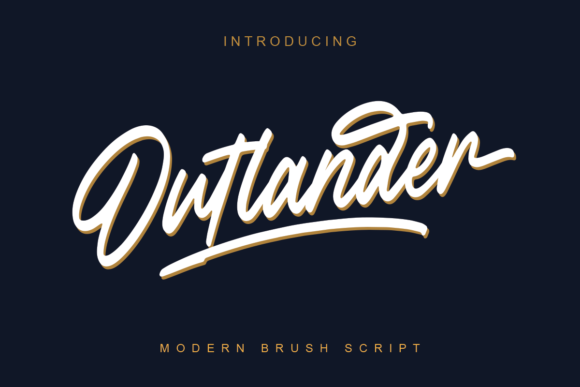
There’s a certain warmth that comes with a truly handcrafted look. In a digital world full of crisp, geometric typefaces, a font like Outlander Brush Script stands out precisely because it doesn’t look machine-made. Created with custom pen brushes, it carries an authentic, flowing personality that feels both nostalgic and refreshingly alive. It’s not just a script font; it’s a design asset with character.
This premium font captures the essence of vintage signage and personal correspondence. Its strokes have a natural variation—thick and thin lines that shift organically, just as they would if drawn by a skilled hand. There’s a slight texture within the letters, a subtle reminder of the brush tool that gave it life. This isn’t a sterile, perfect script. It has personality, a bit of grit, and a whole lot of charm. For designers and creators looking for a handwritten font with depth, Outlander offers a compelling blend of elegance and approachability.
Where This Handwritten Typeface Truly Shines
Choosing the right creative font is about matching its voice to your project’s story. Outlander Brush Script isn’t a one-size-fits-all solution, and that’s its strength. It excels in contexts where you want to evoke emotion, authenticity, or a personal touch. Think about where a human element is most valuable.
In brand identity, this typeface can become a cornerstone for businesses that want to feel artisanal, rustic, or personally connected to their customers. Imagine it on the logo design for a boutique coffee roaster, a handmade jewelry line, or a local bakery. It immediately communicates craft and care. For packaging design, it adds a layer of premium, handmade appeal that makes a product feel special before it’s even opened.
The font works beautifully in editorial design for chapter headings, pull quotes, or magazine features on lifestyle and travel topics. Its flowing appearance guides the eye and adds a dynamic, artistic flair to the page. For digital creators, it’s a powerful tool for social media graphics, website hero sections, and email headers. A bold headline in Outlander can stop the scroll, especially when paired with clean photography. It’s also perfect for personal projects—think wedding invitations, greeting cards, or blog headers that need a signature, heartfelt touch.
Making a Strategic Choice with Outlander Brush Script
Adopting a new display font, especially one with as much personality as Outlander, requires thoughtful implementation. It’s not just about liking how it looks in a specimen sheet; it’s about how it functions within your larger design ecosystem. Here’s how to approach it practically.
First, evaluate the project fit. Ask yourself: does the tone of my project align with this font’s vintage, flowing character? It might be perfect for a craft brewery’s label but less suitable for a corporate financial report. Read the project brief again. If the keywords are “authentic,” “handmade,” “warm,” or “rustic,” you’re likely on the right track.
Next, test font pairings rigorously. A strong script like Outlander needs a counterpart that provides balance and readability. It pairs exceptionally well with a clean, neutral sans serif font for body text. The contrast allows the script to headline without overwhelming the reader. It can also work with a sturdy, traditional serif font for a more classic, layered look. Avoid pairing it with other decorative or highly stylized fonts, which can create visual chaos.
Always review the included styles and glyphs. A quality premium font like Outlander often comes with alternates, ligatures, and swashes. These extras are crucial for creating custom, authentic-looking typography. They allow you to avoid repetitive letter shapes and craft truly unique letterforms for logos or standout headlines. Don’t overlook these features—they’re part of the font’s value.
Finally, consider readability and licensing. This is a display font, not a body copy font. Use it for headlines, logos, and short phrases. Set it at a size where its intricate details are clear. For body text, always choose a highly legible typeface. Regarding licensing, if you plan to use Outlander Brush Script for commercial projects—like client work, merchandise, or paid publications—ensure you have the appropriate commercial license. This is a non-negotiable part of professional practice and protects both you and the font creator.
Practical Applications and Design Observations
Let’s ground this in reality. How does using a font like Outlander actually influence your work and your audience?
On a practical level, it impacts visual hierarchy immediately. A headline set in a bold, textured script commands attention and sets the emotional tone for everything that follows. It tells the viewer, “This is important, and it has personality.” This can significantly boost engagement, particularly on social media or in email marketing, where first impressions are made in milliseconds.
For brand consistency, the key is disciplined use. You wouldn’t use Outlander for every piece of text. Instead, designate it as a primary or secondary brand font for specific applications: the main logo, the header on your website, the title on packaging. Using it sparingly and consistently makes it a recognizable asset of your brand identity, not a distraction. This disciplined approach builds professionalism and recognition over time.
Consider a small business owner launching a new line of organic skincare. Using Outlander Brush Script on their labels and website hero image instantly conveys a story of natural, handcrafted ingredients. Paired with a soft, organic color palette and a clean sans serif for product details, the typography works together to build a cohesive, trustworthy brand perception. The font isn’t just decoration; it’s a strategic component of the brand’s narrative.
In the end, selecting a modern typography asset like Outlander Brush Script is about adding a specific voice to your creative toolkit. It’s a voice that speaks of tradition, craft, and personal expression. When used with intention, it can transform a generic layout into something memorable, helping your projects—and your brand—resonate on a more human level.