Modern Calligraphy with a Twist: Exploring Auristela Script
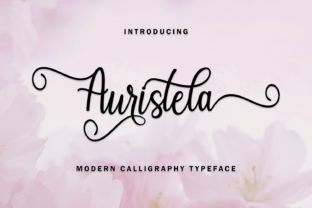
There’s a specific feeling you get when you find a font that just clicks—that moment where the typography stops being just letters and starts becoming a voice. If you’ve been hunting for a typeface that balances elegance with a fresh, contemporary energy, you’ve likely scrolled past hundreds of options that feel either too stuffy or too casual. Enter Auristela Script. It’s a stunning example of modern typography, designed to bridge the gap between traditional calligraphy and the clean aesthetics required by today’s digital and print landscapes. It isn’t just a font; it’s a design asset that brings a distinct personality to the table, characterized by fluid motion and those signature, breathtaking swashes.
The Anatomy of a Modern Script Font
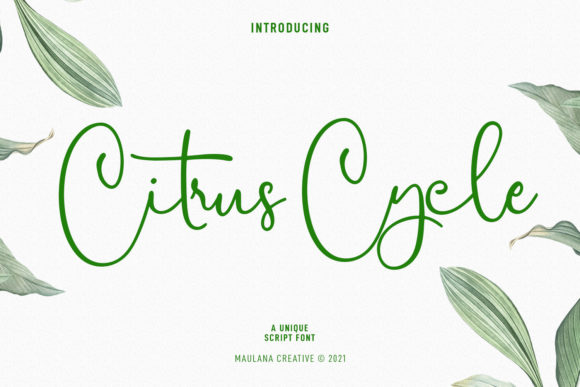
To understand why Auristela Script works so well, we have to look at its construction. Unlike rigid, traditional typefaces, this script font is built on a foundation of fluidity. The baseline has a natural, rhythmic bounce that mimics the movement of a hand using a pointed pen or brush. However, what sets it apart from a standard handwritten font is the level of polish. The letterforms are refined, ensuring that the text remains legible even when used in smaller blocks.
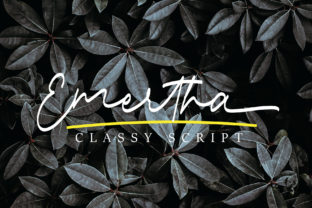
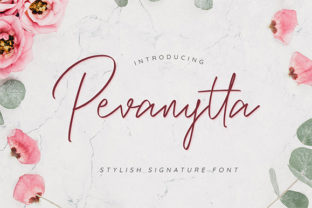
The defining feature, of course, is the swashes. In typography, swashes are decorative extensions of letterforms, usually found at the beginning or end of a word. Auristela Script includes amazing swashes that add a layer of sophistication without cluttering the design. They can be used to create dramatic headlines for editorial design or to frame a logo design with a touch of flair. When you mix these decorative elements with the font’s core structure, you get a typeface that feels alive. It moves the eye across the page naturally, making it a powerful tool for visual hierarchy. It commands attention not by shouting, but by flowing.
Strategic Applications for Branding and Marketing
As a designer or business owner, choosing a creative font is rarely just about what looks "pretty." It’s about communication. Auristela Script excels in environments where you need to establish a human connection quickly. In the realm of brand identity, this typeface is a strong contender for brands that want to appear approachable, high-end, and creative simultaneously.
Think about the food and beverage industry. Packaging design for artisanal chocolates, specialty coffees, or boutique wines often relies on typography that evokes craft and care. Auristela Script fits perfectly here, replacing generic sans serif fonts with a style that suggests the product inside is unique. Similarly, in the wedding industry—think invitations, stationery, and signage—this font provides the romantic, elegant look that clients expect, but with a modern edge that keeps it from feeling dated.
For digital marketers and bloggers, the font serves a different but equally vital role. In the endless scroll of social media graphics, a bold, swashed headline created with Auristela Script can stop a user’s thumb. It creates an immediate focal point. When used for Pinterest pins or Instagram story headers, it adds a layer of professionalism that generic fonts simply cannot replicate. It tells your audience that you care about the details, which translates to trust in your brand.
Practical Typography: Pairing and Readability
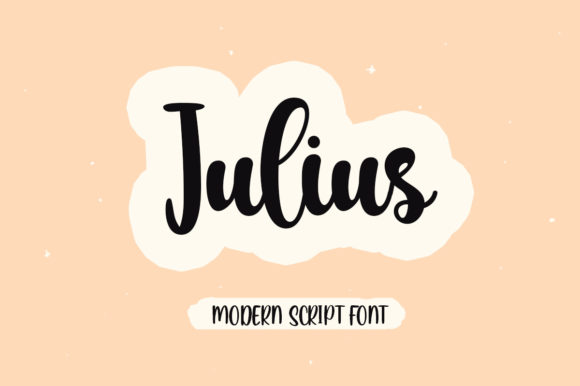
One of the biggest pitfalls in using a premium font with such strong personality is overuse. If you set an entire paragraph in Auristela Script, you risk hurting readability. Script fonts are best used as display fonts—meaning they are designed for headlines, sub-headers, and callouts rather than body copy.
The secret to making this typeface work in a professional setting is the font pairing. Because Auristela Script is ornate and has high contrast in its strokes, it needs a stabilizing partner. A clean sans serif font is often the best choice here. Imagine a bold, geometric sans serif for your main body text—something sturdy and easy to read on screens. Then, use Auristela Script for the H1 headers or pull quotes. The contrast between the structured sans serif and the fluid script creates a visual tension that looks expensive and intentional.
Alternatively, pairing it with a classic serif font can work for more formal editorial design, such as magazine layouts or book covers. The serif provides a traditional anchor, while the script adds a modern, airy feel to the titles. Always test your pairings in context. A font that looks great in a standalone specimen might look cluttered when placed next to other elements. Ensure there is enough white space (or negative space) around the script to let the swashes breathe.
Evaluating the Asset: Licensing and Usability
Before integrating any typeface into a commercial project, you need to evaluate the practicalities. Auristela Script is a commercial font, which usually implies a level of quality control and support that free alternatives lack. However, you must always review the licensing terms. If you are a freelancer creating a logo for a client, or a small business owner printing merchandise, you need to ensure the license covers the specific usage (e.g., desktop, web, or print-on-demand).
Another practical consideration is the font file itself. Does it include OpenType features? Modern typography often relies on these features to automatically swap out letters to avoid repetitive double-letters (like in the word "coffee") or to access those amazing alternate swashes mentioned earlier. Having these features accessible in your design software (like Adobe Illustrator, Photoshop, or Procreate) is essential for getting the most out of the asset.
Ultimately, choosing Auristela Script is about investing in versatility. Whether you are designing a wedding invitation, crafting a social media strategy, or building a brand identity from the ground up, this typeface offers a reliable way to inject modern elegance into your work. It bridges the gap between the personal touch of handwriting and the professional polish required for high-stakes design projects. By using it strategically—respecting its strengths as a display font and pairing it with the right partners—you can create designs that don't just look good, but truly connect with your audience.