Exploring Falcon Script: A Fresh Take on Handwritten Style
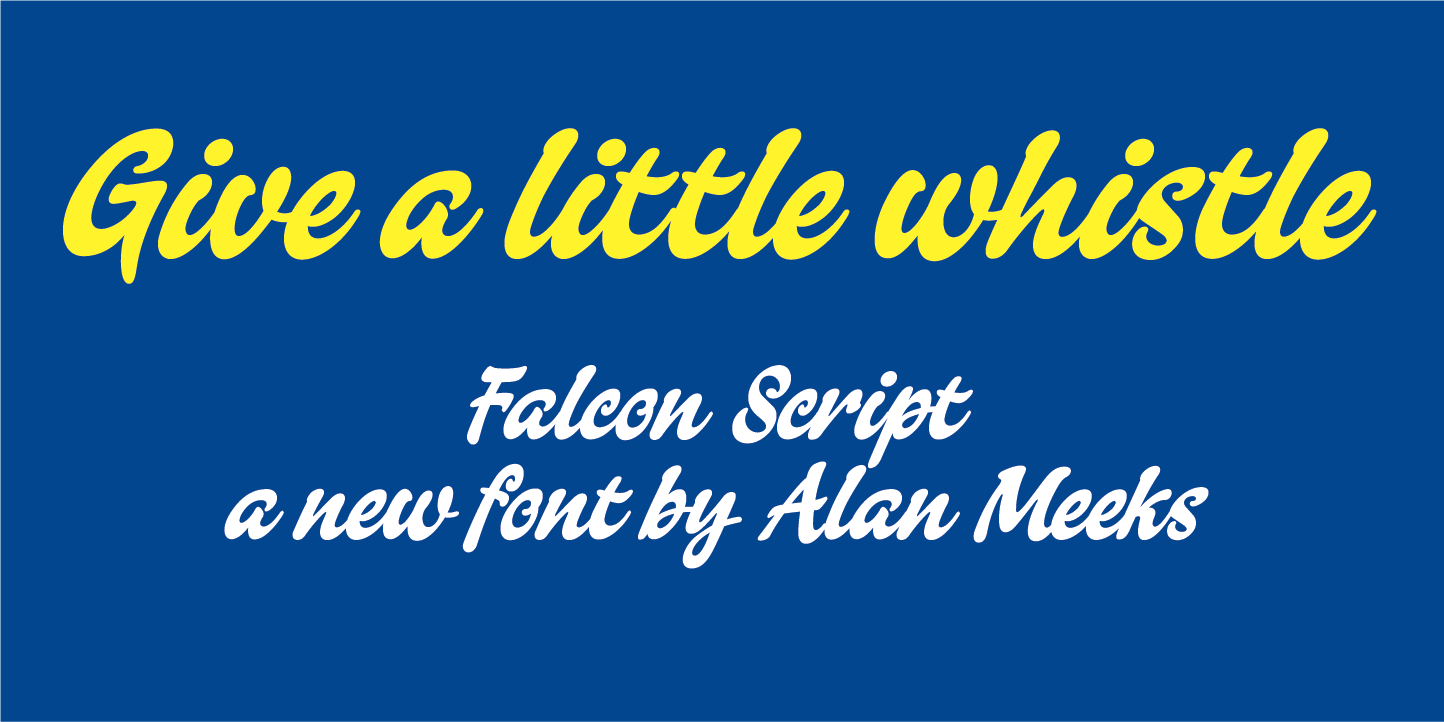
Finding the right typeface for a project often feels like searching for a specific key in a crowded drawer. You need something that fits the lock perfectly, but also feels right in your hand. Falcon Script enters this search as a compelling option, particularly for those who appreciate the warmth of a handwritten font but need the polish of a professional design asset. Created by Alan Meeks, it represents an interesting evolution in typography. It isn't just a random collection of letters; it's an informal version of Kestrel Script, another established typeface. This lineage is important. It means Falcon Script carries a foundation of thoughtful design while adopting a more relaxed, approachable personality.
Visually, Falcon Script strikes a balance that many designers find valuable. It avoids the extremes of overly rigid formal scripts and messy, illegible scrawls. Instead, it presents a fluid, connected style that feels genuinely human. The letterforms have a natural flow, with subtle variations in stroke weight that mimic the pressure of a real pen or brush. This gives it an authentic texture, preventing it from looking overly digitized or sterile. The overall impression is one of casual confidence. It’s a creative font that doesn't shout for attention but earns it through its understated charm and versatility. It’s modern enough for contemporary projects yet has a timeless quality that won't feel dated in a year.
Where Falcon Script Truly Shines
Understanding where a font like Falcon Script works best can save you from mismatched designs and wasted effort. Its strength lies in projects that require a personal touch without sacrificing clarity. Think about applications where human connection is key. For brand identity, it’s a fantastic choice for businesses that want to appear friendly, artisanal, or service-oriented. Imagine a local coffee roaster, a boutique consultancy, or a handmade goods shop. Using Falcon Script for their logo or key marketing messages instantly communicates a sense of approachability and craftsmanship. It tells the customer there’s a person behind the brand, not just a corporation.
Beyond logos, its utility extends across various media. In editorial design, such as magazine pull quotes or chapter headings, it adds visual interest and breaks up blocks of text. For packaging design, especially on product labels or tags, it can convey premium quality with a handmade feel. In the digital realm, it’s a strong candidate for social media graphics, blog post headers, or website accents. It helps a brand stand out in a crowded feed with a distinct personality. Even in personal projects—like wedding invitations, custom stationery, or craft projects—Falcon Script brings a level of sophistication that generic script fonts often lack. It’s a premium font that justifies its place in a designer’s toolkit through this wide range of practical applications.
Practical Guidance for Using This Typeface
Choosing a font is only the first step; using it effectively is what separates good design from great design. With Falcon Script, start by evaluating its fit for your specific project. Does the relaxed, connected style align with the message you want to send? For a formal legal document, it’s clearly the wrong choice. For a bakery’s menu or a yoga studio’s website, it’s likely perfect. Test it in context. Create mockups to see how it looks at the sizes you’ll use. A display font like this often works best at larger sizes for headings or logos, where its details can be appreciated. At very small sizes, some of the connections between letters might become unclear, impacting readability.
This leads to a crucial consideration: font pairing. A script font rarely works well alone for body text. The real power comes from pairing it with a clean, neutral typeface. A simple sans serif font or a classic serif font can provide the necessary contrast and ensure your main content remains easy to read. Use Falcon Script for headlines, subheads, or call-to-action phrases, and let your paired font handle paragraphs and longer text. This creates a clear visual hierarchy that guides the reader’s eye. Also, take time to review the font’s full character set. Does it include the glyphs you need? Does it have stylistic alternates or swashes that could enhance your design? Exploring these options can unlock new creative possibilities.
Finally, consider the practicalities of licensing. If you’re using Falcon Script for a client project, a commercial product, or any material that generates revenue, you need to ensure you have the correct commercial font license. This isn’t just a legal formality; it supports the type designers who create these valuable tools. A legitimate license also often provides access to updates and support. By thoughtfully integrating Falcon Script—respecting its strengths, pairing it wisely, and using it legally—you can leverage this modern typography asset to enhance your projects, strengthen your brand perception, and engage your audience with authentic, stylish communication.