Correspond Script: A Sweet and Delicate Handwritten Font for Creative Projects
When you're working on a project that needs a personal, human touch, the typeface you choose does more than just display words—it sets a mood. A font like Correspond Script isn't just a collection of letters; it's a design asset that brings warmth, elegance, and authenticity to the table. It’s the kind of script font that feels like it was written by a skilled hand, not generated by a machine, making it a valuable tool for anyone looking to create a genuine connection with their audience.
Understanding the Visual Personality of Correspond Script
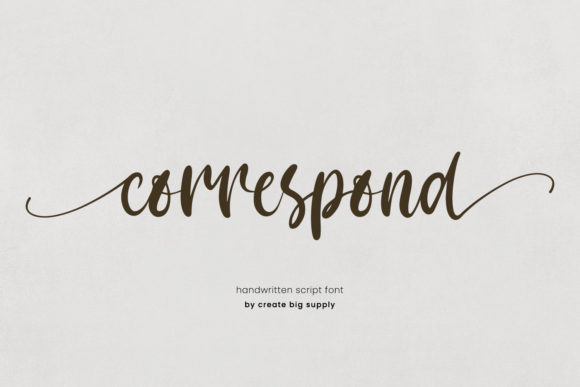
At its core, Correspond Script is a premium font designed with a sweet and delicate aesthetic. Its visual characteristics are defined by smooth, flowing lines and a natural, handwritten rhythm. Unlike some overly formal or rigid script typefaces, this one strikes a balance between casual charm and refined legibility. The letterforms have a slight slant, mimicking the natural movement of a pen on paper, while the connections between characters feel organic and fluid.
The overall appeal of this handwritten font lies in its versatility. It doesn’t scream for attention with wild flourishes by default, but it carries a quiet confidence. The baseline has a gentle, consistent flow, making it easy on the eyes for shorter blocks of text. This makes it an excellent choice for projects where you want to evoke feelings of sincerity, creativity, and approachability. It’s a creative font that adds a layer of personality without overwhelming the message.
Where This Handwritten Font Truly Shines
The real-world applications for a typeface like Correspond Script are broad, spanning both personal and commercial projects. Its strength lies in its ability to adapt to different contexts while maintaining its core identity.
In brand identity and logo design, it can be a game-changer for businesses that want to appear friendly and accessible. Think of a boutique coffee shop, a handmade jewelry brand, a wedding photographer, or a local florist. Using Correspond Script in their logo immediately communicates a sense of craft and personal service. It pairs beautifully with a clean sans serif font or a simple serif font for body text, creating a balanced and professional font pairing.
For editorial design and packaging design, this font excels at drawing the eye. It’s perfect for magazine pull quotes, book chapter titles, or the name of a product on a label. On social media graphics, it can make quotes, announcements, or call-to-action text stand out in a crowded feed. Its delicate style ensures it remains readable even at smaller sizes, a common requirement in web design and digital content.
Beyond commercial use, it’s a fantastic resource for hobbyists and crafters. Designing a custom birthday card, creating a quote for a framed print, or personalizing a notebook becomes more intuitive with a font that feels handcrafted. The key is matching the font’s personality to the project’s goal: use it where you want to inject warmth and a human element.
Practical Guidance for Choosing and Using Correspond Script
Choosing the right display font is a critical design decision. Here’s how to evaluate if Correspond Script is the right fit for your next project.
Start with the Project’s Goal. Ask yourself what emotion or message you need to convey. If your project requires a formal, authoritative, or highly technical tone, a script font might not be the best primary choice. However, if you’re aiming for elegance with a personal touch, creativity, or a handcrafted feel, Correspond Script is worth serious consideration.
Test for Readability in Context. Always test the font at the size and in the environment where it will be used. While it’s designed for clarity, extremely small sizes on low-resolution screens or complex backgrounds can still pose challenges. Create a mockup of your layout—whether it’s a website header, a product label, or a social media post—to see how it performs in real conditions.
Explore Font Pairings. A script font rarely works well alone for large amounts of text. The most effective strategy is to pair it with a more neutral typeface. For a modern look, combine Correspond Script with a geometric sans serif font. For a more classic or elegant feel, pair it with a transitional or old-style serif font. The contrast between the expressive script and the structured partner creates a clear visual hierarchy, guiding the viewer’s eye through your content.
Leverage All the Features. A significant advantage of a premium font like this is the inclusion of stylistic alternates, swashes, and ligatures. These are not just decorative extras; they are tools for refinement. Using alternate letterforms can prevent repetitive shapes in a word, and adding a subtle swash to a capital letter can elevate the entire composition. This level of control is what separates a basic design from a polished, professional one.
Understand the Licensing. For any project that will be used commercially—from a client’s logo to merchandise you sell—it’s essential to ensure you have the correct commercial license. A PUA-encoded font like Correspond Script simplifies access to all glyphs, but the license governs how you can legally use the font itself. Always review the license agreement provided by the foundry or seller to avoid any issues down the line.
In the landscape of modern typography, having a versatile and well-crafted script font in your toolkit is invaluable. Correspond Script offers a blend of aesthetic appeal and practical functionality. Its sweet, delicate style can elevate your design work, strengthen your brand’s visual voice, and help you communicate with a level of authenticity that resonates deeply with your audience. The best way to understand its potential is to start experimenting—see how its personality interacts with your content and your own creative vision.